
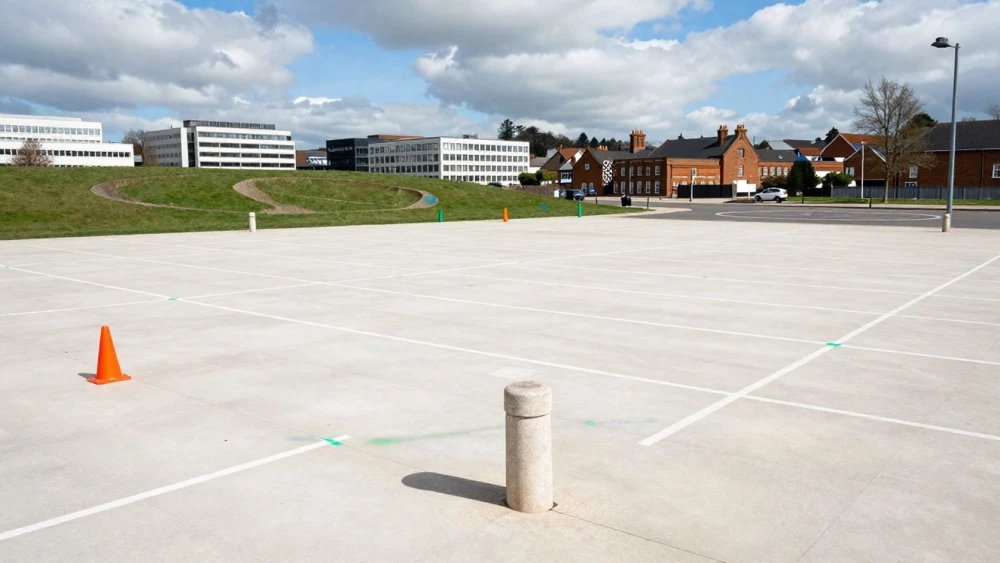
GPR Surveys
Get in TouchAt Swindon Surveys, we specialise in providing comprehensive GPR surveys to deliver accurate detection and mapping of subsurface features. Ground Penetrating Radar (GPR) is a non-intrusive method used for identifying buried utilities, voids, and various underground anomalies.
Our experienced team uses advanced GPR equipment to ensure precise results, addressing the unique challenges of each site. Whether you need to locate cables, pipes, or archaeological artefacts, our GPR surveys offer a reliable solution.
Get in touch to arrange a professional survey and ensure your project's success.
How Much Do GPR Surveys Cost?
GPR surveys typically cost between £500 and £1,500, depending on the survey size and complexity. Factors influencing the cost include the depth of scan required, the area covered, and site access conditions.
The type of equipment used, like multi-frequency antennas for different depth ranges, can also affect pricing, as more advanced surveys may demand specialised tools.
Considerations such as data processing and interpretation time, which can range from a few hours to several days, also play a role in determining the final cost.
We provide transparent pricing tailored to your specific needs and ensure that our quotes cover all necessary survey aspects, including compliance with standards such as PAS 128. Contact our team to discuss your requirements and receive an accurate estimate.
How Do GPR Surveys Work?
GPR surveys work by emitting radar pulses into the ground and recording the reflected signals to create a detailed image of the subsurface. Our team starts by setting up GPR equipment on-site, ensuring appropriate calibration for the specific survey conditions.
We use ground-coupled or air-launched antennae, depending on the target depth and material properties, to enhance data accuracy. These pulses penetrate the ground, reflecting off different materials, such as soil, rock, concrete, and metal, each with distinct electromagnetic properties.
The resulting data is processed using specialised software to identify underground features like voids, utilities, and geological layers. This method is highly effective for both shallow and deep investigations, meeting the specifications of non-destructive testing.
GPR surveys can be completed in a matter of hours or days, depending on the survey size, offering versatility for applications in construction, archaeology, and infrastructure maintenance. Contact us to discuss your specific GPR survey needs.
What Are the Applications of GPR Surveys?
GPR surveys have a wide range of applications, providing accurate subsurface imaging for various industries. They are ideal for construction planning, utility detection, and archaeological investigations.
In construction, these surveys help locate buried pipes, cables, and utilities without excavation, making them essential for pre-construction planning and preventing costly damage. Additionally, they are crucial in detecting voids, variations in material density, and changes in underground structures, which can affect structural integrity.
GPR surveys are also essential in environmental assessments for locating underground storage tanks and contaminated soil layers. In archaeological settings, GPR is invaluable for non-destructive exploration of hidden artefacts and ancient sites, mapping these without disturbing the ground.
The equipment used includes antennae with different frequency ranges to target specific depths, providing flexibility based on project requirements. Contact us today to learn more about our GPR survey services.
What Are the Benefits of GPR Surveys?
GPR surveys offer significant benefits for projects: Ground Penetrating Radar (GPR) technology employs electromagnetic waves to detect and map subsurface structures, providing invaluable insights into the composition and layout of the ground below.
Non-intrusive Technique: GPR allows for subsurface scanning without damaging existing structures. This makes it an ideal choice for surveying sensitive historical sites and densely populated urban areas where minimising disruption is crucial.
Versatile Applications: Suitable for various industries, including construction, archaeology, and environmental studies. Industries such as road maintenance and utility management also benefit from the ability of GPR to identify the precise location of pipes and cables.
Accurate Data: Provides precise mapping of underground utilities and features, reducing risks during excavation. It helps in creating detailed subsurface profiles that support informed decision-making and prevent costly errors.
Time Efficiency: Rapid data collection and analysis, aiding in project planning and execution. Surveys can typically be conducted within a day or two, depending on the size of the area.
Get in touch to see how our GPR services can benefit your project .
Why Choose Swindon Surveys for GPR Surveys?
Choosing Swindon Surveys for your GPR surveys ensures you receive a service backed by expertise and advanced equipment. We use modern GPR technology including multi-frequency antennas, which enable us to detect both shallow and deep targets effectively.
Our team is proficient in handling diverse projects, from detecting utility lines and underground storage tanks to archaeological evaluations. By conforming to industry standards such as PAS 128, we provide surveys that align with quality benchmarks.
We tailor each survey to meet client needs, offering precision in data interpretation with tools like 3D visualisations and CAD software. This allows us to provide detailed site maps and reports that are essential for construction and renovation planning.
Our methodical attention to detail, from initial consultation to final reporting, ensures accurate and reliable survey results. Reach out to us for trusted GPR survey solutions.
Frequently Asked Questions
How Long Does a GPR Survey Take?
Most GPR surveys take between one to three days, depending on the site size and survey complexity. Additional time may be required for data analysis and reporting.
What Is Included in the Price of a GPR Survey?
Our GPR survey pricing includes an initial consultation, site visit, data collection, analysis, and a report. We ensure transparency with all costs.
How Accurate Are GPR Surveys?
GPR surveys provide accurate measurements of subsurface features, with detection depths typically ranging from 0.5 to 10 metres, depending on ground conditions.
Are GPR Surveys Safe for Historical Sites?
Yes, GPR is non-intrusive and safe for historical sites. It provides valuable data on underground features without disturbing the site.
Can GPR Detect All Types of Underground Utilities?
While GPR is effective, certain conditions like high moisture content or specific soil types may impact detection accuracy. We advise a preliminary consultation to assess site suitability.
Get a Free Quote for GPR Surveys
Contact us today to secure a free quote for your GPR survey. Our team at Swindon Surveys is ready to assist with all your subsurface investigation needs.